Tag: Book Review

  • Managing and Leading Organizational Change-Book Review

    Managing and Leading Organizational Change-Book Review

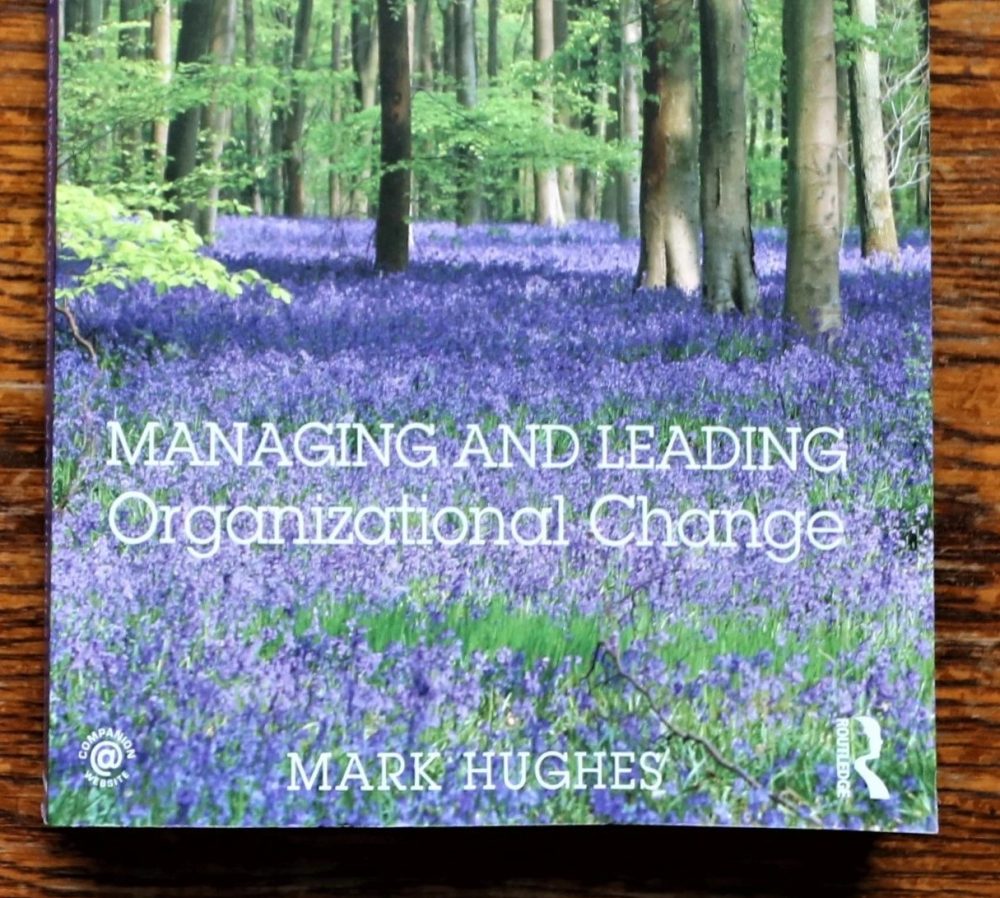
    I was delighted to read this appreciative review of my final textbook Managing and Leading Organizational Change and grateful to Dr David Wilkinson for taking the time to write it.

    In academic circles, despite the money students and university libraries invest in such texts, textbook authoring is surprisingly unfashionable. David fairly explains why such academic scepticism about textbooks exists, thankfully for myself he doesn’t bracket me in this category.

    What I most appreciated in his review was that he appeared to understand the deeply embedded intent in my writing. In an ideal world organizational change theories and practices would be informed by the latest research in the leading academic journals. The danger is that we assume that this ideal is the reality, I don’t believe it is.

    After decades of reading organizational change journal papers, I struggle with some of the content. In all honesty, some of it is too intellectual for me to comprehend – my bad! Other papers about organizational change leave me pondering if an organizational change is the primary interest of the author or an instrumental means to an end – publication in a prestigious journal.  My workshops and writing have largely been informed by reading journal papers, but sometimes the most useful contributions to organizational change theory and practice are not in the most prestigious journals, but instead they are in the less prestigious journals and books.

    As a textbook author I see my role as a scholar, rather than a researcher. A researcher gathers new knowledge, a scholar critically interprets existing knowledge.  I explain this further in the preface of the new textbook, this preface should be freely available on the preview pages of the book on online sites.

    As a scholar I see my role as acting as an intermediary between what is being written and published by trustworthy academics and student and practitioner audiences. I want to guide readers towards the more reliable and valid literature.  Also, I want to guide readers away from less reliable and valid literature. I remain troubled by the simplistic associations that the most prestigious Business Schools always offer the most reliable and valid organizational change insights.  My academic life has involved questioning organizational change knowledge. As I move into a later phase of my academic life, I now have more questions than answers, but I wouldn’t have it any other way.  

    Myth-understanding Organizational Change

    The first chapter of the textbook compiles many of the organizational change myths I encountered during my career. In hindsight, the chapter was far too philosophical for an introductory chapter of a textbook. However, I do provocatively believe that engaging with and understanding organizational change myths is as important as busting these myths.

    Follow the link for a final draft of the first chapter – Myth-understanding organizational change.
  • Withdrawn university library book appreciations – WULBA

    Withdrawn university library book appreciations – WULBA

    The good people at woodlanddecay.com have agreed to host an archive of withdrawn university library book appreciations (WULBA) for the foreseeable future. These are mainly management and organization studies (MOS) books which once resided on the shelves of a university library, but for unknown reasons were withdrawn.  

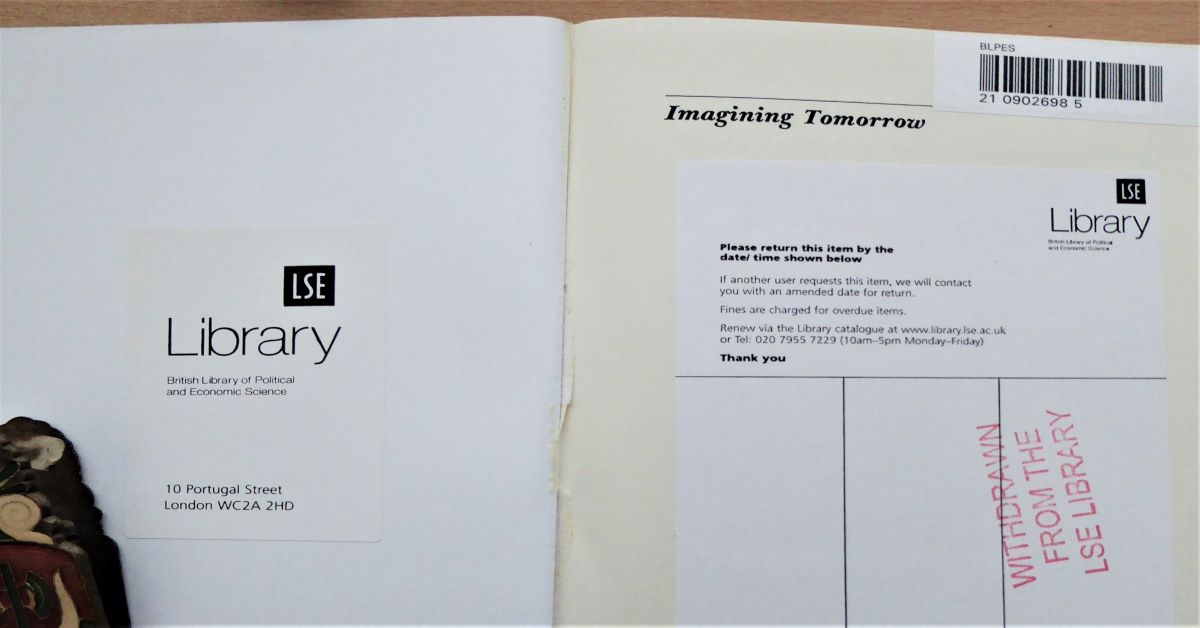
    I share an example of one of these books from the LSE Library. As you see in the featured image, they tend to be rubber stamped as withdrawn, ironically this example was Imagining Tomorrow, but things change and this book was no longer required in the LSE Library.

    In feeding my book habit, I often buy second hand books which in the case of monographs can be a tenth of the price of new editions, with even ebooks equally prohibitively priced. These books are often hardbacks and they are often in good condition, retailers tend to label them ‘like new’, ‘very good’.  Sometimes these books tell a sad story of never being issued since they were purchased.  The librarians have a challenge maintaining space for all the books students and academics require and so I guess every so often a little  ‘weeding’ is required.

    What interests me is that an academic must have recommended a library purchase with the expectation that the purchased book would be read.  I regard this as a form of intelligent endorsement, if the book didn’t capture the imagination of library users, it doesn’t mean that it is a bad book.  

    I am intrigued by the enduring influence of orthodoxy. The MOS books that I tend to purchase tend to challenge orthodox views of management and organization. So what I witness are little rages against the dying of the light. In this spirit I have decided to celebrate these books through publicizing short appreciations of such books I have acquired over the years.  I will publicize these and hopefully other appreciations may follow.

    Postscript (February 2023)

    In the good old days books used to be rubber stamped with the date when you took them out of the library. As I reflect back, this was one of my creative ideas, that I never fully realized. I used to be troubled by university library shelves laden with copies of Kotter’s Leading Change. That book would have been top of my list for being withdrawn.

    The titles of the three books which I read and reviewed and featured in WULBA tell a story. I do hope this post might inspire somebody else, in the meantime check out these WULBA reviews.

    Fashion and Utopia in Management Thinking

    The Social Construction of Management

    Pandemonium: Towards a Retro Organization Theory

    WULBA Archivist

    WULBA, WULBA, WULBA Hey, Hey!