Introduction
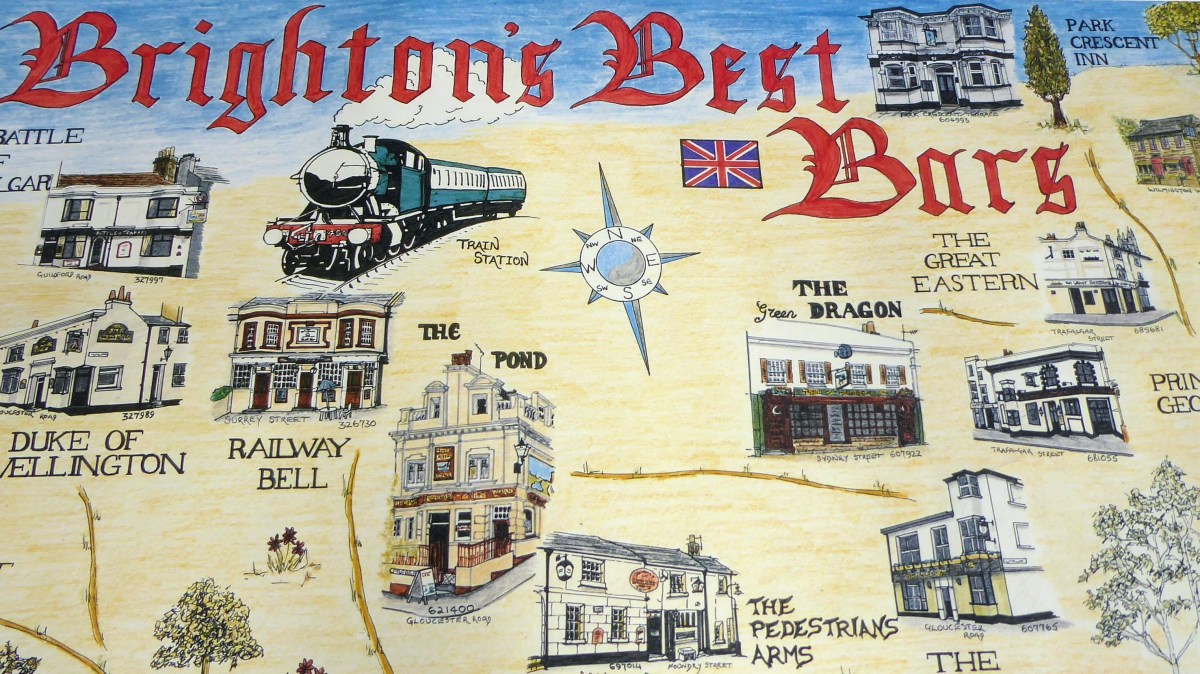
It’s the early 1990s; I couldn’t tell you the year. I walked into an independent bookshop. It may have been the garishly painted Public House Bookshop, fitting, but I really cannot remember. I spotted an art print, the Brighton’s Best Bars, a thing of beauty, printed on high quality art paper. I purchased it, impressed with the detail of the original images of pubs hand painted and wonderfully detailed. The numbers beneath each pub refer to landline telephones, this is a time before the internet and social media. I do not know the name of the artist and what selection criteria they applied. I do know that I visited many of these pubs in the 1990s/2000s.
It is autumn, 2025 and I haven’t drunk alcohol in a long time and rarely visit pubs. Most of the pubs are still serving or have been reimagined (names/décor etc). These two categories of pub would make for an interesting walk/pub crawl, but I will leave such adventures for those “thirstier” than myself.
The theme for posts in 2025 has been PSYCHOGEOGRAPHY – relationships between geographical landscapes and the unconscious. Famous psychogeographers would drift around cities such as Paris with little purpose to their wanderings (wonderings). I concede my urban wandering does have a purpose, I even designed a MAP of the 7 locations.
I delayed writing this post for a few years, mindful of ghosts of distant memories and reticent to exhume my past. Psychogeography offered a framework to make sense of the changing landscape of my past. I had to focus on the lost pubs, that was my only option.
I had arrived in Brighton in 1987, and discovered a city in need of exploration. I was probably more of a psychogeographer then, than today, fairly aimlessly drifting along the quieter back streets of Brighton randomly sampling the pubs I discovered.
In the next section, I list those pubs featured still serving and having maintained their original name. Next, I list those pubs featured, but today reimagined. Please note this is my best effort at the time of writing, changes inevitably happen, particularly given the precarious nature of the licensed trade. I next focus upon those pubs which no longer exist. I conclude with an intriguing Promotional offer and a section less intriguingly welcoming Updates.
Still serving
The following roll of honour, in alphabetical order, acknowledges the 24 pubs still serving, at the time of writing. This is approximately 35 years after the art print was published.
Battle of Trafalgar, Bedford Tavern, Colonnade Bar, Crescent, Cricketers, Druids Head, Fortune of War, Great Eastern, Green Dragon, Hand in Hand, Heart and Hand, Ye Olde King and Queen, Ladies Mile, Lion and Lobster, Long Man of Wilmington, Marine Tavern, Park Crescent Inn, Pond, Prince George, Railway Bell, Regency Tavern, Royal Sovereign and Shakespeare’s Head and The Windmill.
Over the decades there have been changes such as the relaxation of licensing hours and the smoking ban. Equally, there have been changes in the economy and society, such as the pandemic. It is impressive how popular pubs thrive and adapt despite the challenges. Many pubs come and go, but the pubs chosen by the art print artist as the “best” are largely still serving.
Reimagined
Pubs are sometimes reimagined, the physical building remains largely intact, but the pub name, theme and décor change. It has been more challenging to identify these reimagined pubs. I believe these 13 pubs have been reimagined. I have listed them alphabetically, based on the original art print, they are as follows:
Battle of Waterloo became Brighton Rocks
(The) Conqueror became Bottom’s Rest
(The) Geese Have Gone Over the Water became The Geese
(The) George Beard became the Eagle
(The) Lamb and Flag became Crowns
(The) Landsdowne Arms became Cooper’s Cask
Oliver Cromwell Tavern became The Palmeria
(The) Pedestrians Arms became The Foundry
Royal Exchange became Haus on the Hill
(The) Star became The Mucky Duck
(The) Volunteer became The Mash Tun
(The) Windsor Tavern became The Earth and Stars
(The) Walmer Castle became The Independent
The scale of these reimagining’s can be major or minor. As a pub changes its identity you can feel more or less welcome. Reminiscing, I remember having to ask for a key code to access the toilets at The Star. At The Walmer Castle, there was a lovely cosy room at the back. I wish I had gone in The Pedestrians Arms, what a wonderful name for a small pub. And the reimagined Brighton Rocks, what a clever name given the Rock Place location and the famous Graham Greene Brighton novel.
Last orders
Inevitably, this third category of pub proved to be the least easy to locate. Invariably, these pubs were no longer discernible as those pubs featured in the art print. Thankfully, in small print the artist included road names beneath each pub image which helped to pinpoint locations. I then established “approximate” postcodes as I searched for these pub locations today. The upside was that postcodes worked well with Google mapping. The downside was that this wasn’t precise in locating where a pub once stood with buildings and roads changing over decades.
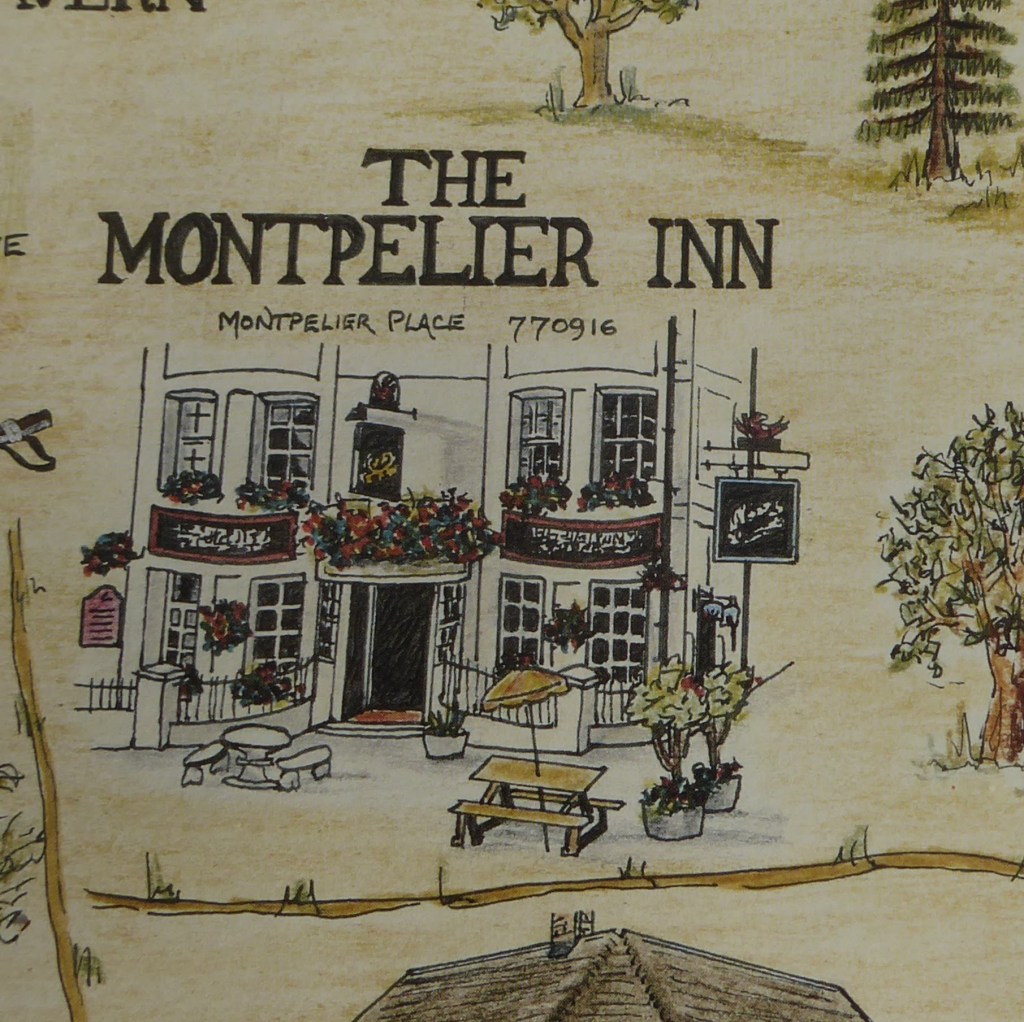
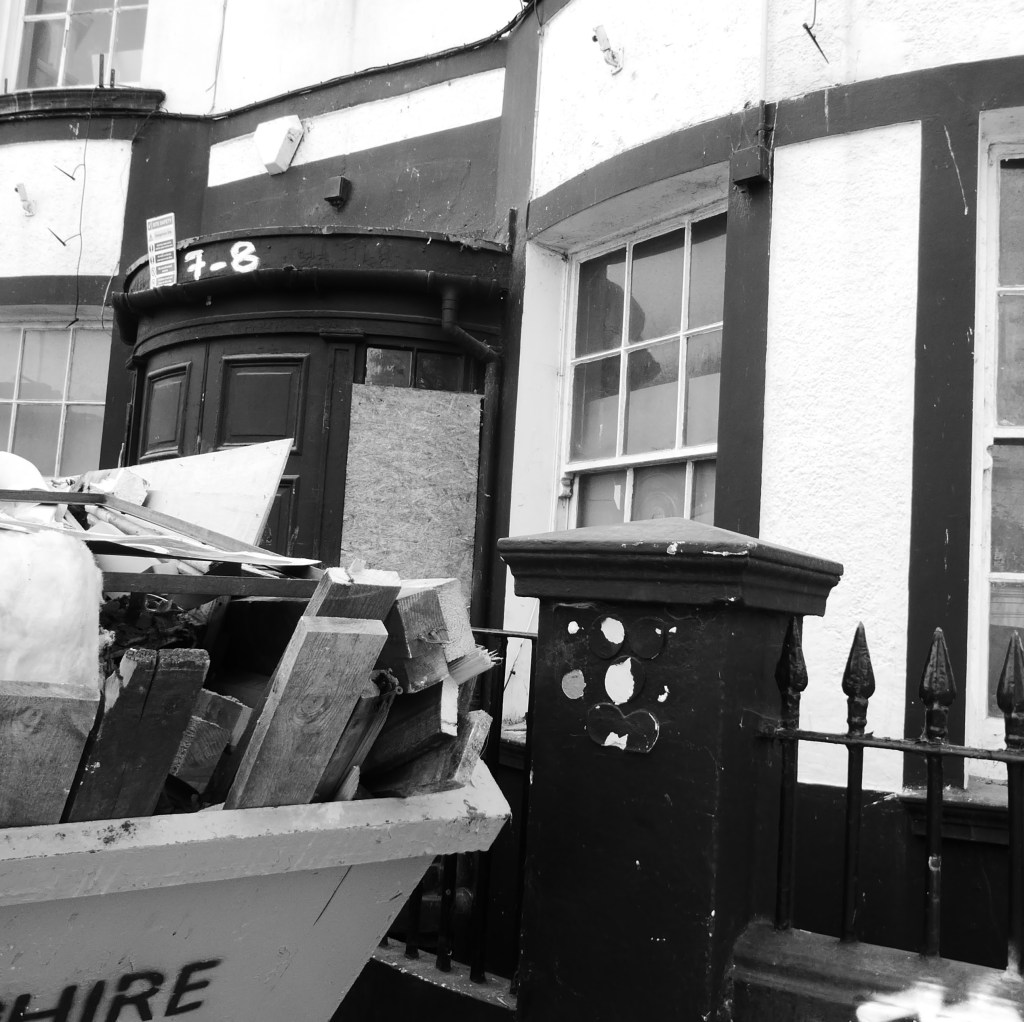
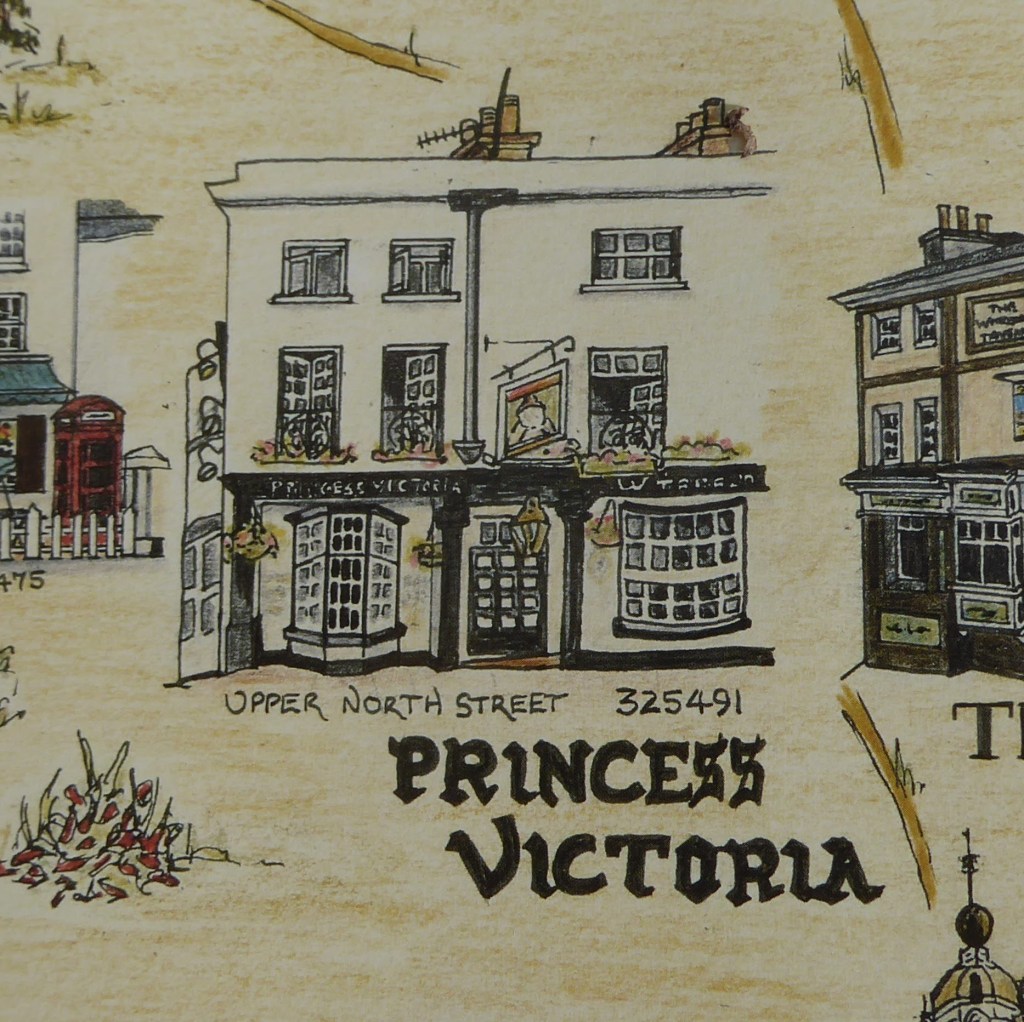
In ordering these lost pub locations, I wanted to walk from the West to the East of Brighton and Hove. My early homes were in the West of the city and later homes in the East. In essence, the locations of the 7 lost pubs provide a linear walk, starting in Hove and ending in Kemptown. After considerable desk research, my MAP of the 7 lost pubs was ready. It was a fairly bright October morning when I started. I needed the light for the black and white photography, but by the end of the walk, it was grey and damp and my mood similar.
I chose to begin the walk at the beginning of Lansdowne Road walking East towards the city centre. I had forgotten how enjoyable Lansdowne Road can be, similar to a priest hole passage in an old house. I moved from West to East largely unseen and without the congestion of Western Road in search of the Montpelier Inn (BN1 3BT). This building has listed status, complicating the redevelopment of the site. The pub appears to have had an interesting/chequered history. I remember living very nearby on York Road, as well as, on St Michaels Place, but I don’t think I ever ventured into the Montpelier Inn. I lived in houses euphemistically labelled homes of multiple occupation (HMOs), although today, I could think of other labels. The Montpelier Inn was difficult to photograph as redevelopment was evidently ongoing. I didn’t want a builder thinking I was a HMRC investigator and equally I am not sure that they would share my interest in psychogeography.


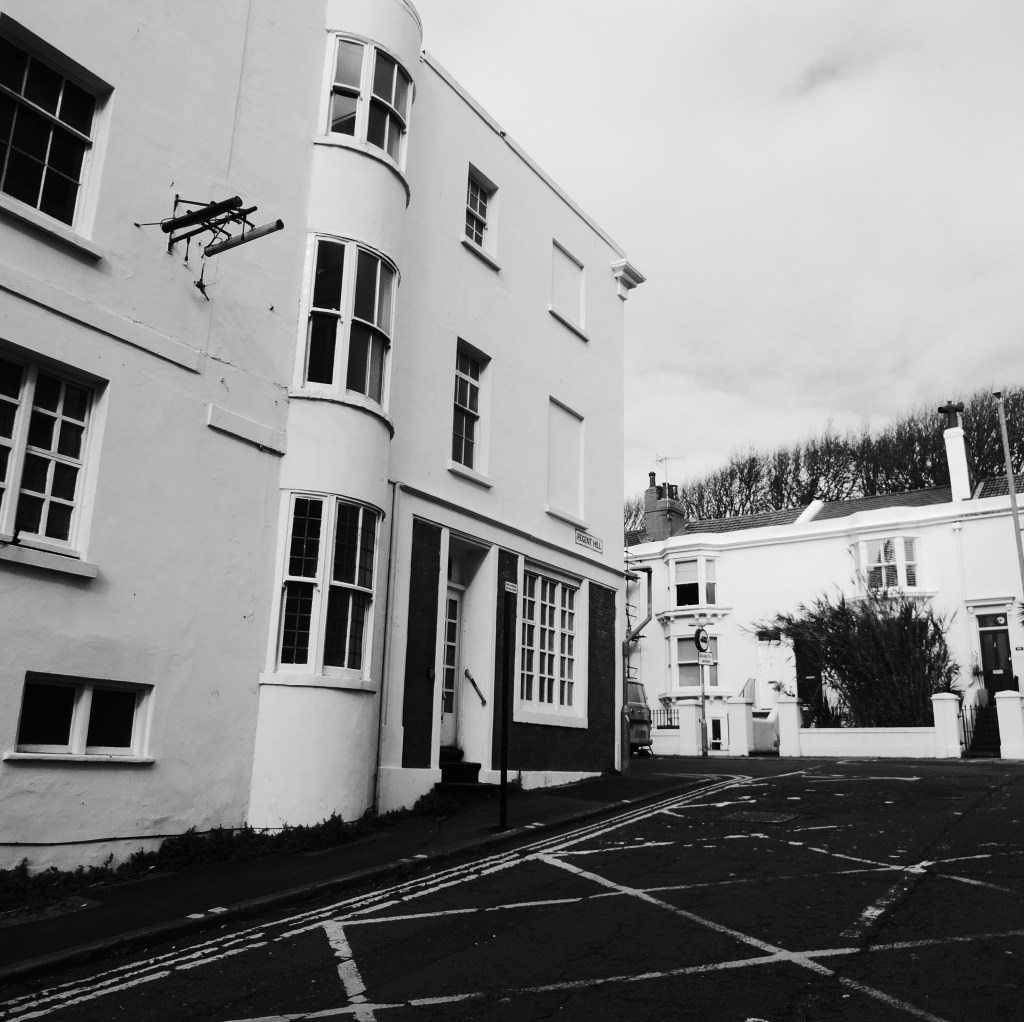
Next, it is a pleasant/straight forward walk continuing along Montpelier Terrace and Upper North Street to the site of the Princess Victoria (BN2 1RP). I drank in this pub many times with my Dad, as well as on my own. Its attraction was how close it was to the centre of Brighton, although many visitors to the city seemed unaware of its existence. Dad and I would have a few drinks in here and then stroll down Regent Hill to meet my Mum outside Marks and Spencer‘s, on Western Road, happy days.
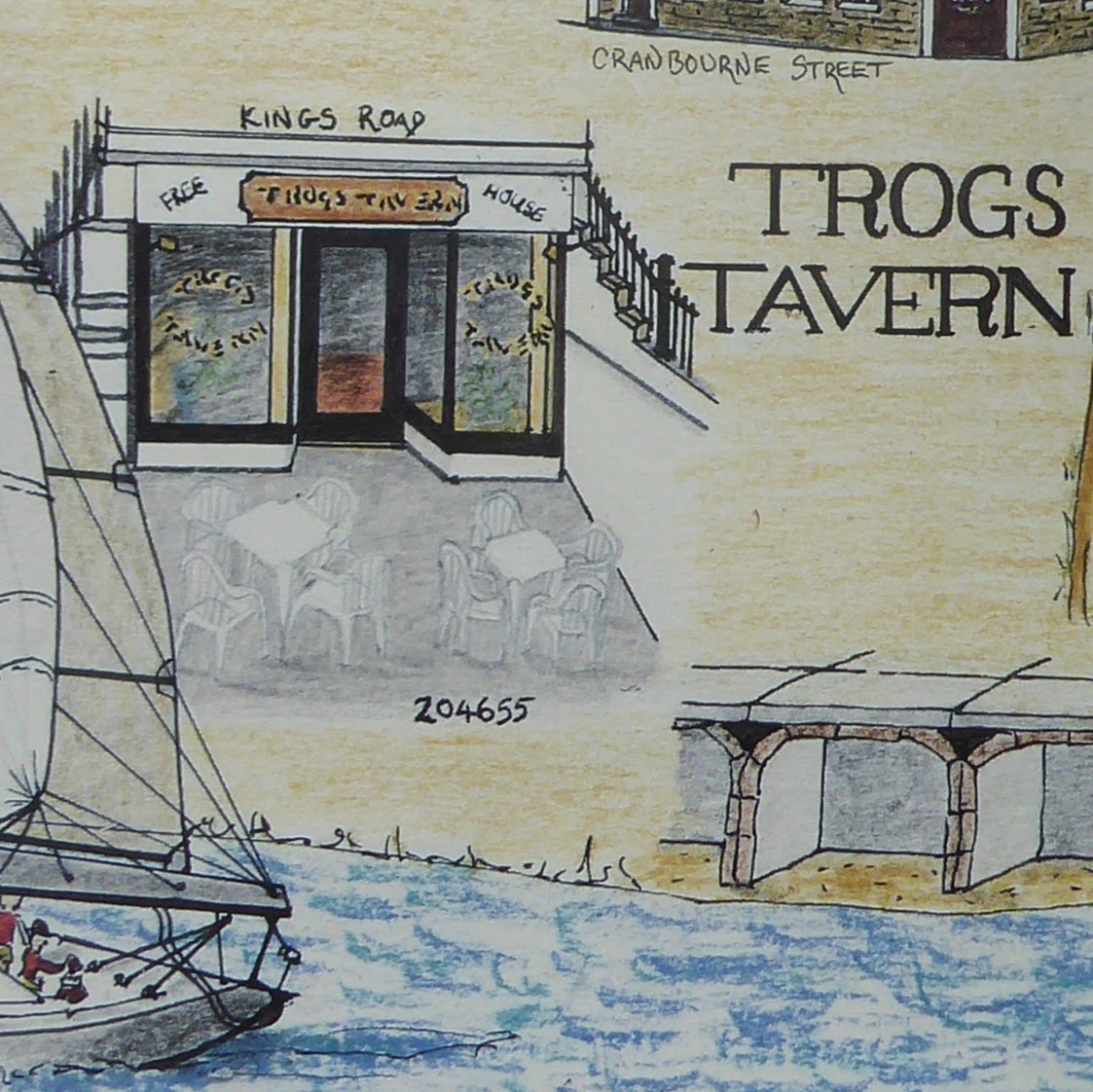
It wouldn’t be Brighton without a visit to the seafront and the artist located Trogs Tavern on, the Kings Road, the main seafront road. So, I head South, Marlborough Street works well, before crossing the busy Western Road and then skirting around the edge of the large Churchill Square shopping centre. I occasionally would bet on the football. As I pass the Ladbrokes bookmakers, I am tripping back in time. I remember going into this shop and the cashier had to go around the back to get my winnings from the safe. I think the bet might have been on Jose Antonio Reyes scoring the most goals for the opening month in the Premier League. It’s the safe bit of this distant memory that sticks with me, sadly Reyes died too young.
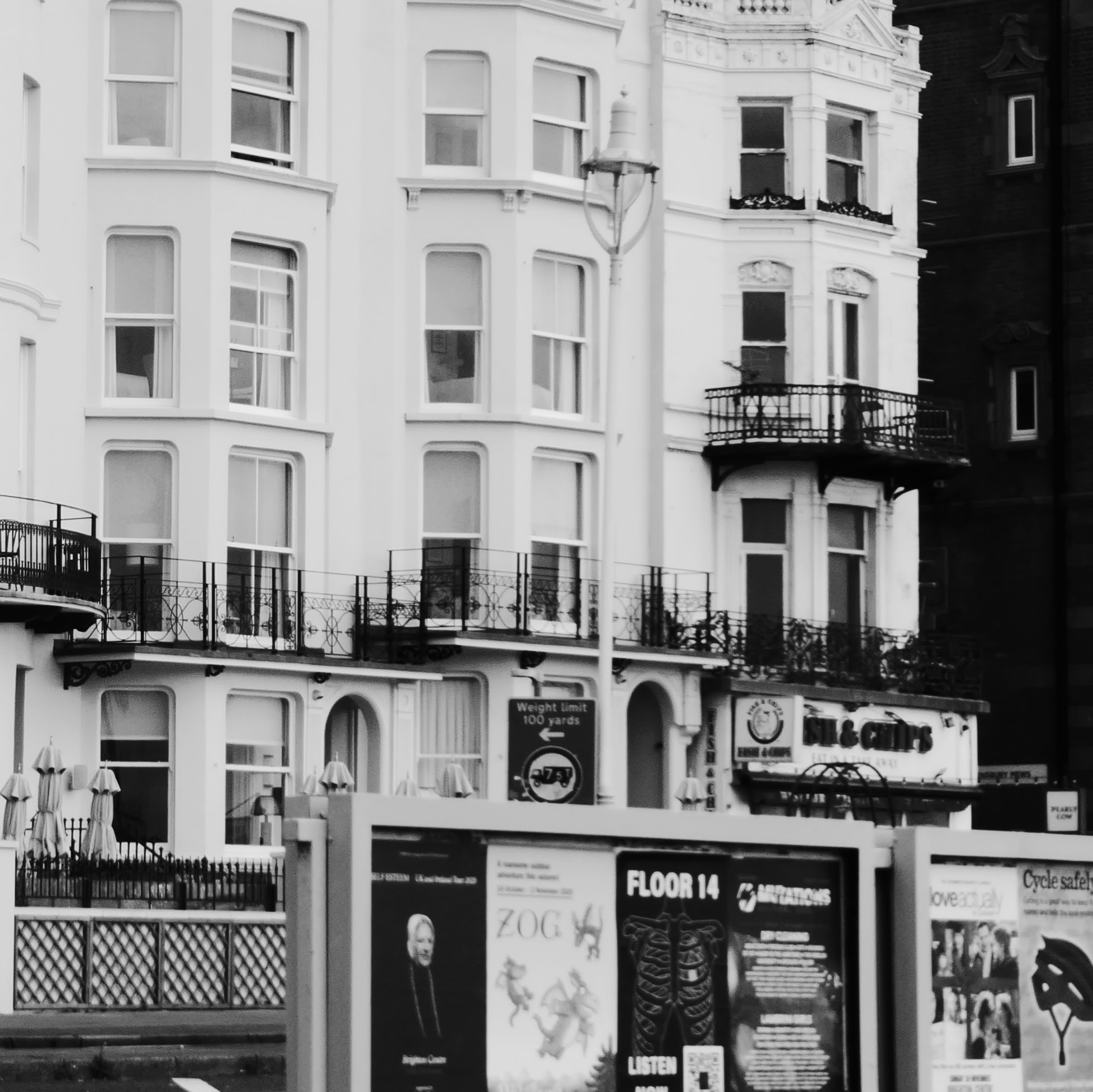
I believe Trogs Tavern was located between the Metropole Hotel and Regency Square, but this is guesswork. I have been unable to find a historical record of Trogs Tavern. However, the Granville Hotel was located about where the artist located Trogs Tavern. I go through Tripadvisor reviews of the Granville Hotel from twenty years ago and find a reference to a Trogs Restaurant being attached to the hotel for a time. Trogs restaurant then appears to have moved to the site of Bom Banes on George Street and the Granville Hotel became No.124 by Guesthouse. As I stare at No.124, I am wary of being perceived as a voyeur, but I believe I am looking towards the site of Trogs Tavern.
I now go in search of the Norfolk Arms (BN2 9QA) which was another elusive pub to trace, but first the route. I walk East along the seafront towards the Palace Pier. This proves to be an emotive walk. It is a seafront walk I rarely do and normally only out of the tourist season. I reminisce about the site of the Shelter Hall today; in 1987 it was the Tourist Information Centre. Seafront ghosts surprise me, but the seafront always was an evocative and ever-changing area, drenched in emotions, both good and bad. I remember leaving one of the HMOs with my belongings in bin bags, walking along the seafront to my next home, a lovely flat in Kemptown. Various keys to the HMO now surplus to requirement. I ritualistically threw them into the sea; a sort of banishing ritual.
More walking and less reminiscing are required as I reach the Palace Pier I turn North. At the time of writing the Steine Gardens Road development project was ongoing, so hard hats might be required. I walk North past the Old Steine Gardens and head North until I reach Victoria Gardens. I pick up Grand Parade heading North and find the now closed former location of the Brighton Brewdog.
The desk research complication was that there was a Norfolk Arms in Brighton which the internet acknowledges goes back to 1824 before the site was used for the Norfolk Hotel on the seafront. However, the artist located the pub in question on Grand Parade. It appears that the site of this Norfolk Arms was redeveloped (not just reimagined) with another pub built on the same site called Hector’s House and subsequently the Brighton Brewdog.
The polytechnic/university has a highly regarded Art and Design Faculty near to the location of what was the Norfolk Arms. I suspect this pub may have been very local for the artist. I never went inside the pub, but the campus location stirs up ghosts for myself, both good and bad. I decide to capture a front facing shot of the pub location. It’s challenging as I wait for a gap in the cars and lorries. Equally, I wait for a gap in the students passing by, whilst noting how they “drift” in a style unique to students.
The route to the next pub is fairly straightforward. First, I retrace my steps back down Grand Parade until I reach Edward Street and then head East until I reach the High Street and then head South until I reach the junction with St James Street.
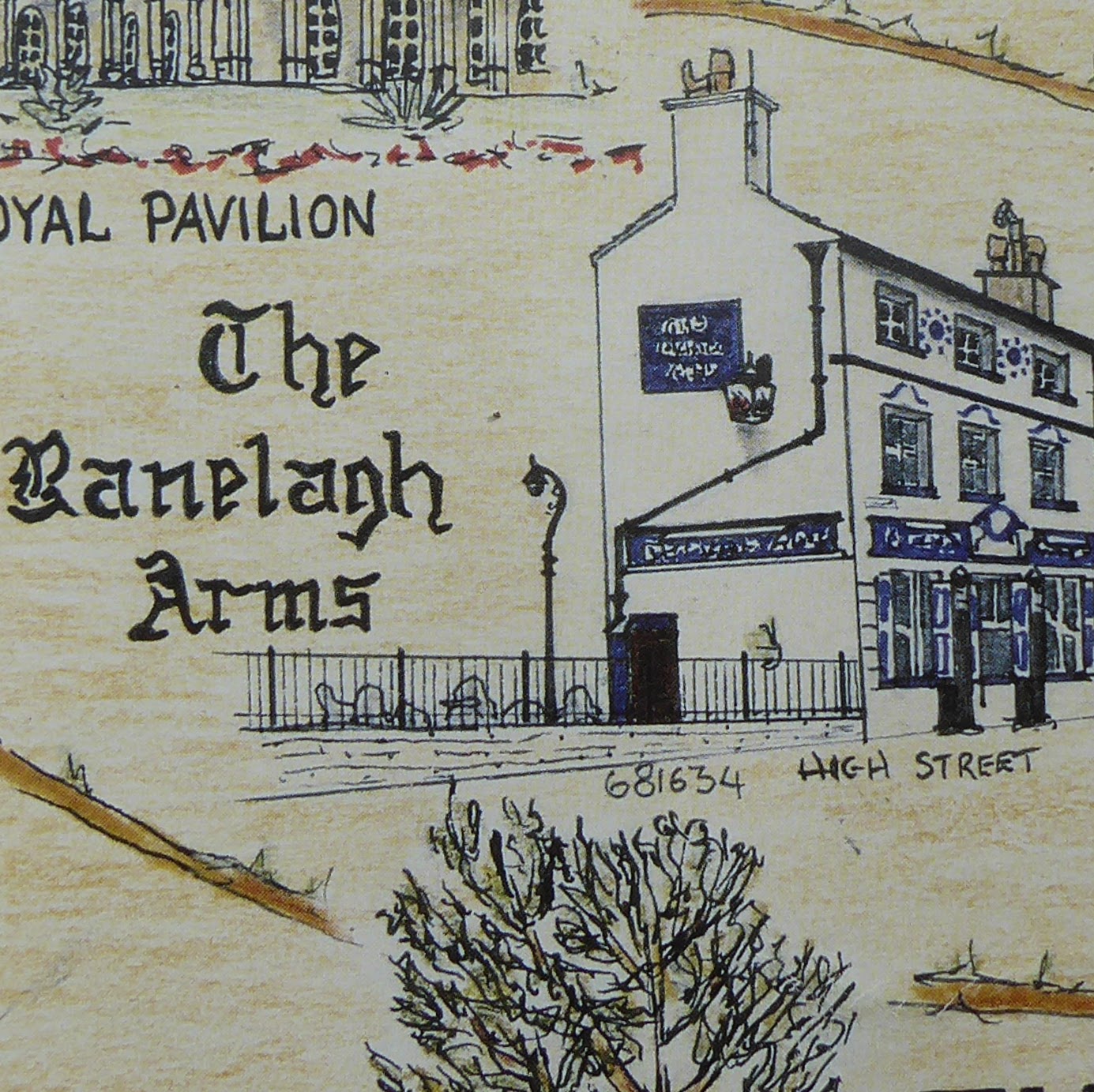
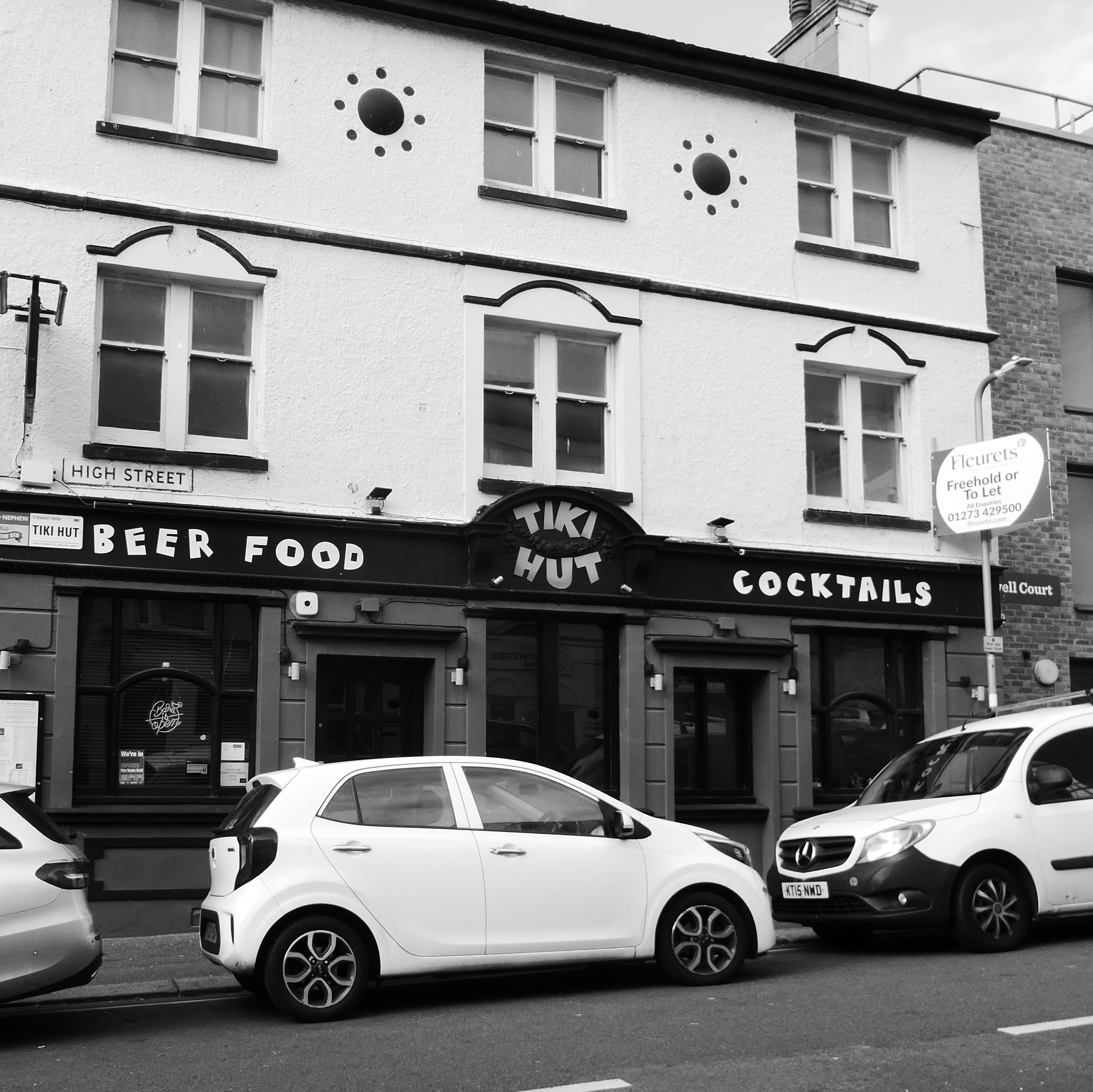
I know exactly where I am going, The Ranelagh Arms (BN1 3FG). It used to be one of my boss’s locals and we would often meet up here as a work group. These were happy and sociable times. I remember invariably it was lively with an equally vibrant outdoor area in the summer. It became the Tiki Hut, but at the time of writing it was on the market. In time it might be reimagined as a pub. When I visited it was sadly boarded up, with the ghosts of memories trapped inside.
I now have a very short walk to the Leconfield Arms (BN2 2JL), back up the High Street to Edward Street and then East until I reach J.W. Lennon’s. This was the John Lennon reimagining of the Leconfield Arms, which subsequently closed. So, perhaps a case of “imagine there’s no J.W. Lennon’s, it’s easy if you try.” I went into the Leconfield a few times, but my memories are vague. I do remember the pub layout/bar being parallel to Edward Street, but sorry that is not much of a testimonial.
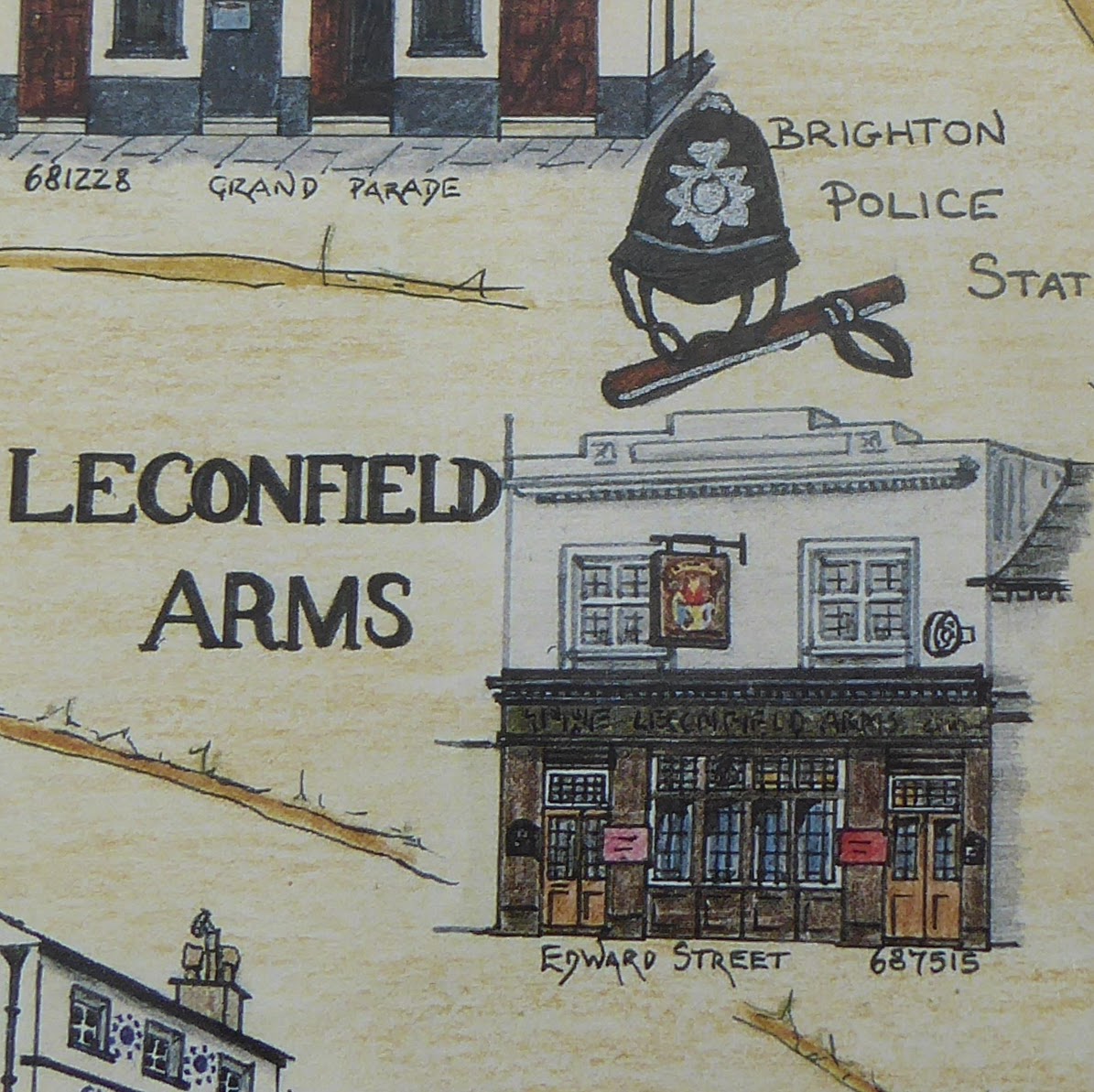
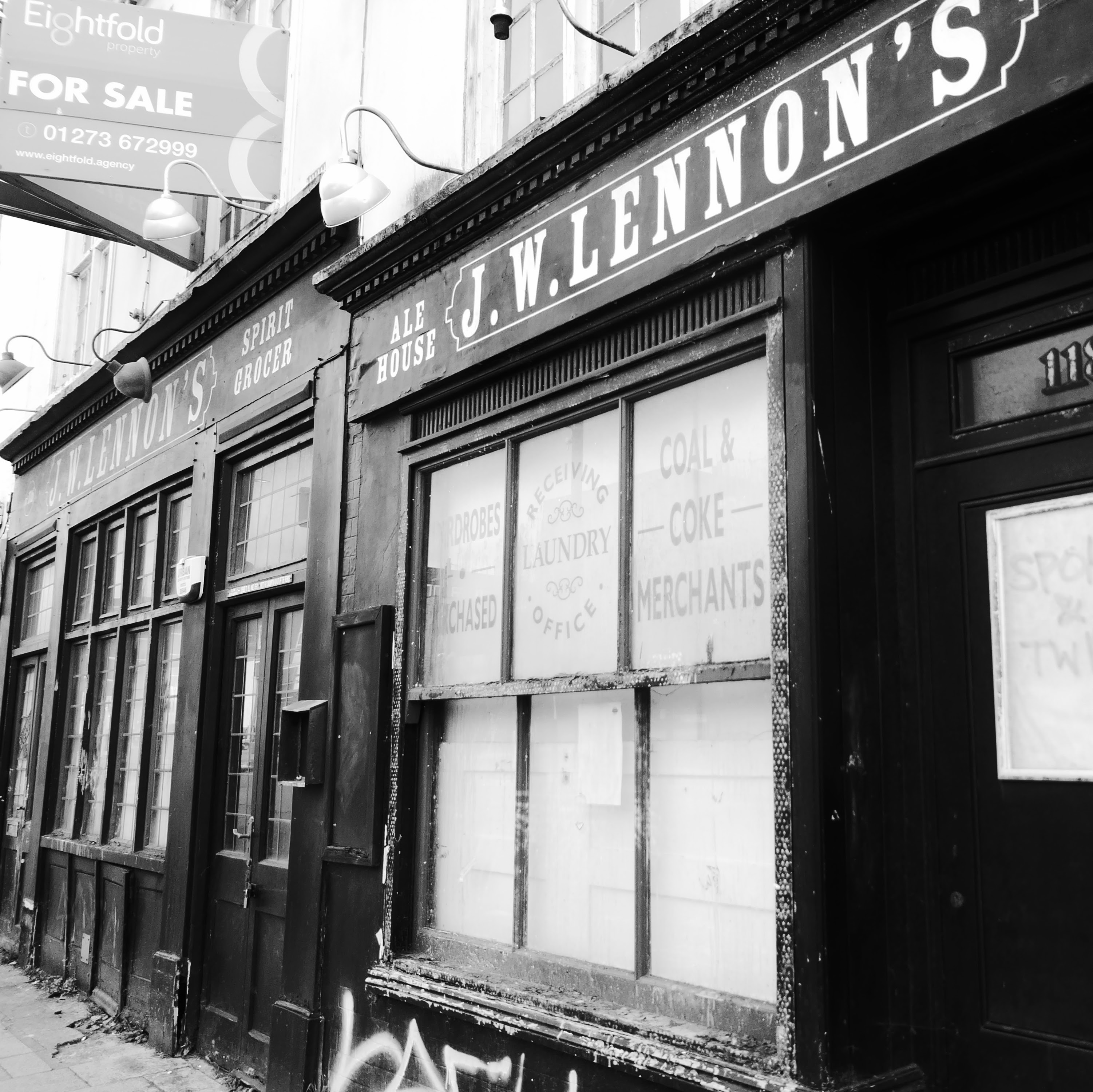
Enough reminiscing, I need to move along to the final pub, the Stag (BN2 1JP). Again, I head East on Edward Street until I reach the crossroads. Then head a short distance South down Upper Bedford Street and find the final pub site has been completely redeveloped.
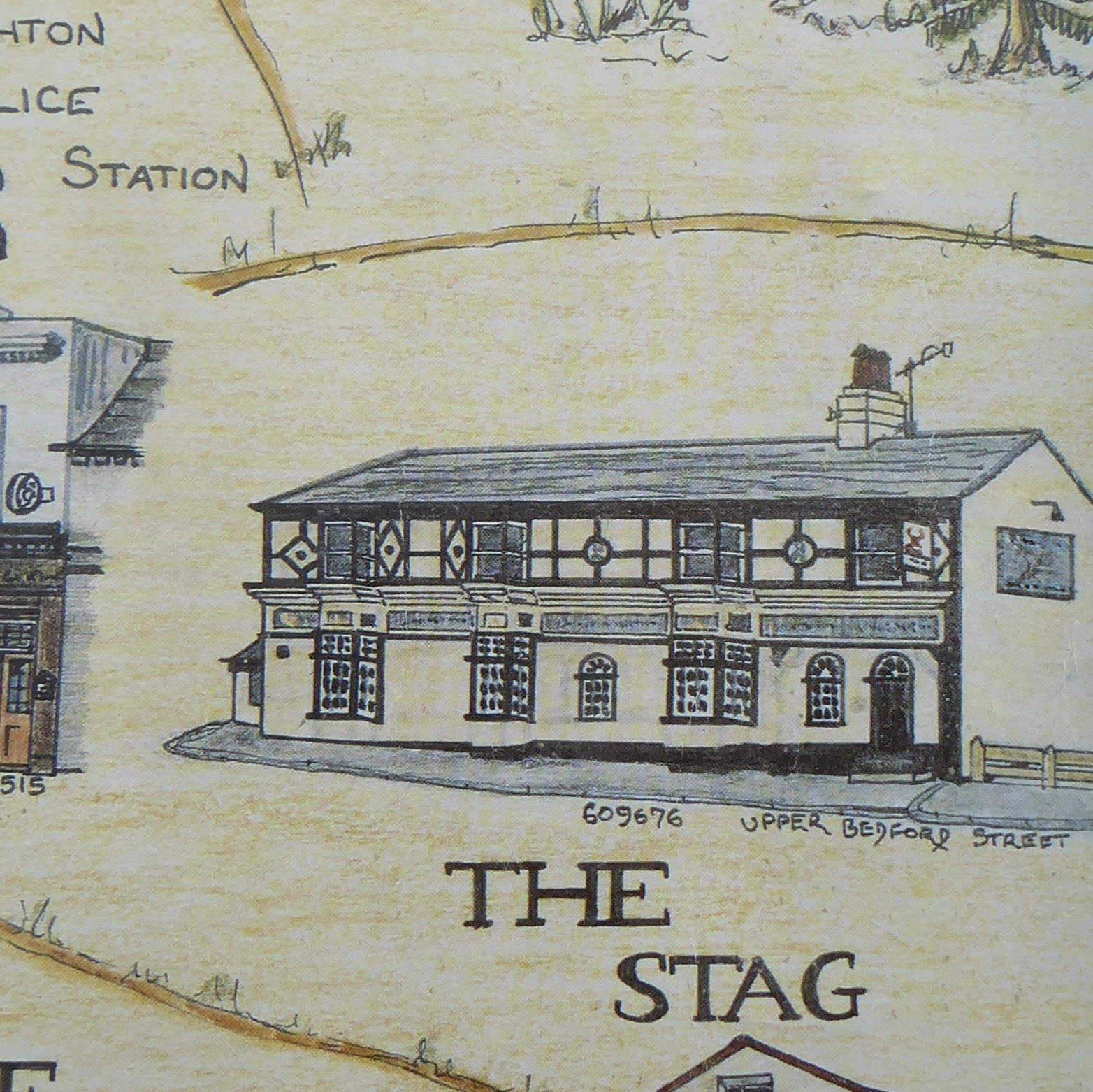
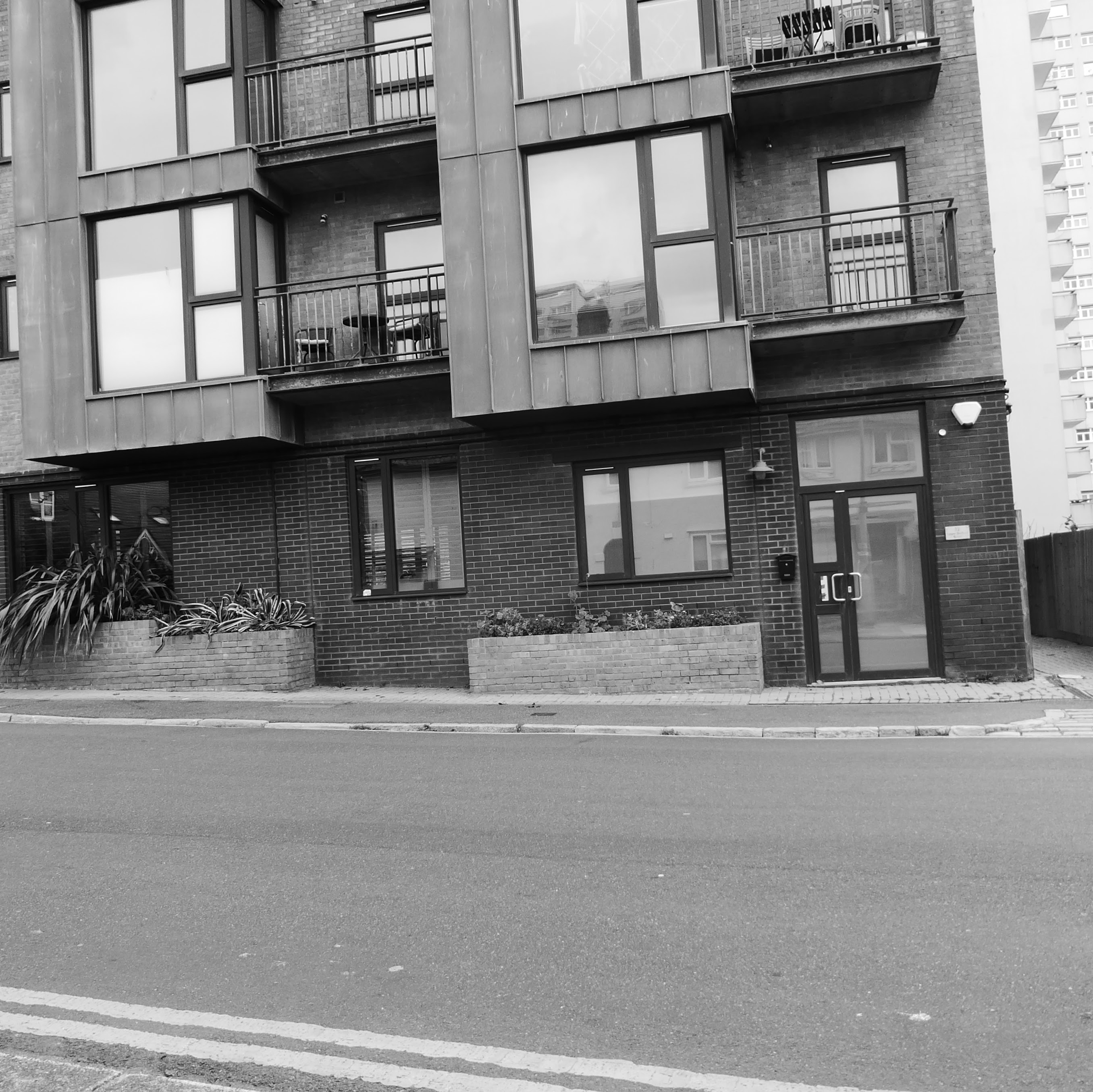
In my drinking days, I often drank in the Stag. They served Oranjeboom on draft, which was nice. I liked the layout of the pub, many different spaces to lose yourself. I lived at the top end of Freshfield Road at that time and would visit the Freshfield, Cuthbert and Stag all in a line going downhill towards the sea. I would then retrace my steps back up the hill. One ironic memory was that the Cuthbert had a wonderful painting of a Stag. I do remember a time when all three of these pubs were thriving, with sing-a-longs in the Freshfield. I also remember their decline, sitting in relatively empty pubs, today all three pubs have gone, a sad note to conclude this sentimental journey.
The walk took a leisurely hour and a half with stops for photography and it was just under 3 miles. However, at the end of the walk I felt very weary, although more of an emotional weariness than a physical weariness. Its 1.45pm and I decide to stop on my way to my Saltdean home at the Lobster Pot. I don’t want a drink, but I am in need of soul food. A large portion of chips is purchased for therapeutic reasons. The wonderful Chinese proprietor remembers me, demonstrating this by acknowledging that I have retired. Yes, today I have retired from so much of my former life. That said, I am no longer lost, like I was in the 1980s and 1990s. I believe my drifting days are over.
Promotional offer
The art print featured here has travelled with me as I moved around Brighton over 35 years. However, I never once put it up on a wall. There are a few creases, but given the journey we have both been on, it is in very good condition. Both as art and as a piece of local history, it merits a far wider audience, than being rolled up in my study.
If there is a publican from one of the featured “still serving” pubs, who would like to have it, please do let me know. The art print would make a great conversation piece to display in your pub and I would be happy to update this post letting readers know the particular pub to visit to see it for themselves.
Updates
I would like to acknowledge the name of the artist responsible for the wonderful original art print. If anybody knows their name, please do contact me (see below). I will not be updating this post as pub circumstances/status change. However, if anyone spots any errors do let me know and I will correct them. I was surprised how easy it was to mis locate a lost pub.
There is a comments facility below, but the “spam police” can be overly enthusiastic. The easiest means of contact is via the CONTACT page, which generates an email to me.
 Woodlanddecay
One reply on “Whatever happened to the best Brighton pubs of the 1990s?”
[…] Using a poster of the best pubs in Brighton (1990s) as the map for a reflective wander through the c…. […]